
Korunka předního zubu: co je to, kdy ji potřebujete a jak se připravit
When you need to fix a damaged, discolored, or misshapen front tooth, a korunka předního zubu, plně keramická nebo kompozitní náhrada, která obaluje poškozený zub a obnovuje jeho tvar, barvu a funkci. Also known as zubní korunka, it is the most common solution for restoring front teeth that are too weak for a filling but don’t need extraction. Unlike back teeth, front teeth are visible every time you smile, speak, or laugh—so the material, shape, and color must look completely natural. That’s why a front tooth crown isn’t just about function—it’s about confidence.
Most people need a crown on a front tooth after root canal treatment, severe decay, a large filling that broke, or trauma from an accident. If your front tooth is cracked, chipped, or has undergone multiple fillings, the remaining structure might not hold up. A crown protects it from further damage and prevents the need for extraction. Many patients also choose it for cosmetic reasons—when whitening doesn’t help, or the tooth is misshapen. In these cases, a keramická korunka, tenká, přesně odlišená keramická náhrada, která připomíná přirozený sklovitý povrch zubu. Also known as celokeramická korunka, it reflects light just like real enamel and doesn’t show a dark line at the gumline. Porcelain crowns are the gold standard for front teeth because they’re durable, stain-resistant, and blend perfectly with your natural teeth.
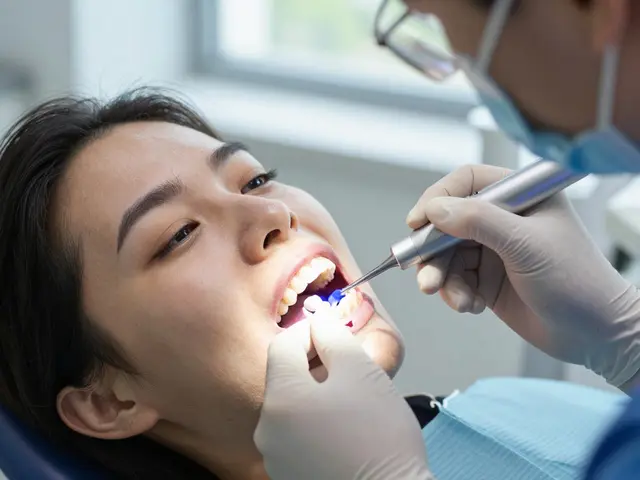
Getting a crown isn’t a one-day fix. It usually takes two visits. First, your dentist prepares the tooth by removing a small amount of enamel to make room for the crown. Then they take an impression—digital or traditional—and fit you with a temporary crown while the final one is made in a lab. At the second visit, they remove the temporary and cement the permanent crown in place. The whole process is mostly painless thanks to local anesthesia, and most people adjust to their new crown within a few days. You’ll need to avoid chewing hard foods on it right away, but once it’s settled, you can eat, speak, and smile normally again.
What you might not realize is that a crown on a front tooth can also help with bite alignment. If you’ve lost a front tooth or it’s been worn down over time, your jaw might shift slightly. A properly fitted crown restores the natural spacing and prevents other teeth from moving out of place. It’s not just a cosmetic fix—it’s a structural one too.
And yes, crowns can last decades—if you take care of them. Brush twice a day, floss daily, and don’t use your teeth as tools. Avoid biting into ice, hard candy, or nuts with your front teeth. Regular checkups let your dentist spot early signs of wear or decay under the crown before it becomes a problem.
In the posts below, you’ll find real-life stories and practical advice about getting a crown on your front tooth—from choosing the right material to dealing with sensitivity afterward, understanding costs, and even how to make sure your crown matches your other teeth perfectly. Whether you’re considering one, just got one, or are curious what’s involved, you’ll find answers here—no jargon, no fluff, just what actually matters.
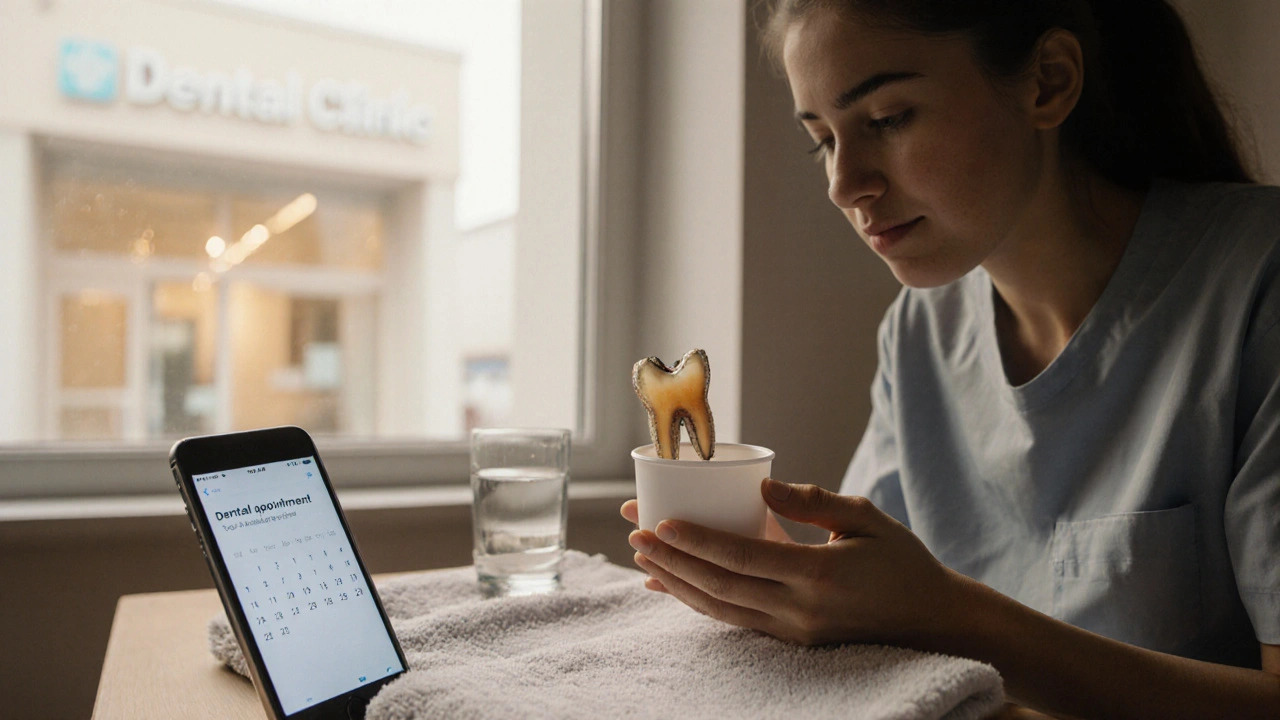
Cena opravy ulomeného předního zubu: Co je v ceně a co vás skutečně stojí?
Zjistěte, co skutečně zahrnuje cena opravy ulomeného předního zubu - od kompozitní vložky po implantát. Porovnejte možnosti, pochopte, co je v ceně, a jak se vyhnout drahým chybám.
Zobrazit více

bře 3 2026


čen 16 2024