Zubní kaz na rentgenu: Jak ho lékař vidí a co to znamená pro vás
When you see a zubní kaz na rentgenu, patologická změna v zubní tkáni, kterou lékař vidí na rentgenovém snímku dříve, než začne bolet. Also known as karióza, it is the most common dental problem, and it doesn’t always come with pain. Many people think if their tooth doesn’t hurt, it’s fine. But that’s exactly when the damage is quietly spreading under the enamel, and the X-ray shows it long before you feel anything.
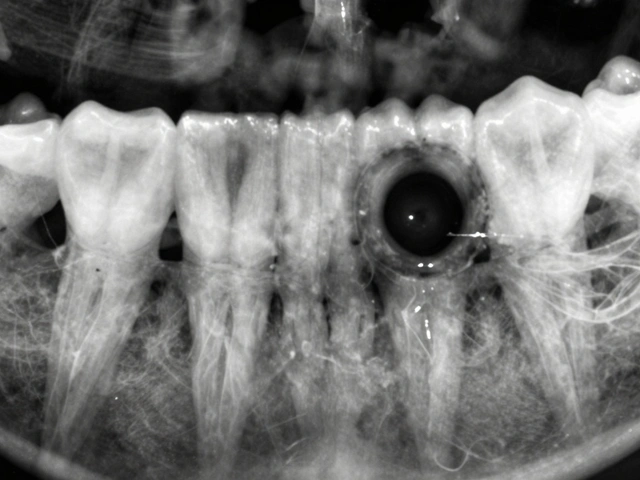
What you see on the X-ray isn’t just a dark spot—it’s a story. A small shadow between two teeth? That’s early decay, often caught just in time. A larger, fuzzy area near the root? That’s a deeper cavity that’s already reached the dentin. And if you see a dark ring around a filling? That’s secondary caries, meaning bacteria slipped in under an old restoration. These aren’t just images—they’re warnings. Left unchecked, a small spot on the X-ray can become a root canal, or worse, a lost tooth. That’s why regular check-ups with X-rays matter more than waiting for pain.
Diagnosing zubní kaz, destruction of tooth structure caused by acid-producing bacteria isn’t about guessing. Dentists use X-rays because they show what the eye can’t see. Enamel is dense and white on the image; decay is darker. The deeper the dark area, the more advanced the damage. And here’s the key: early decay can often be stopped. With fluoride, better hygiene, and dietary changes, you can reverse it—before drilling is needed. But if you wait until it’s big on the X-ray, the only option is a filling, or even a crown. The X-ray doesn’t lie. It shows you exactly where the problem is, how deep it goes, and how urgent it is.
Don’t confuse rentgen zubů, a diagnostic imaging tool that reveals hidden dental issues with something scary. Modern digital X-rays use 80% less radiation than old film ones. You get more detail, faster results, and less exposure. It’s not about fear—it’s about awareness. A single X-ray can catch five problems you didn’t know you had. That’s why your dentist recommends them every 1–2 years, even if you feel fine.
And it’s not just about cavities. The same X-ray shows gum bone loss, impacted teeth, infections at the root tip, and even early signs of cysts. That’s why it’s the most important tool in preventive dentistry. You might not feel anything now, but the X-ray tells the truth. And that truth gives you power—to act before it’s too late.
What you’ll find in the posts below are real stories from patients who ignored early signs, and those who caught problems on X-rays before they hurt. You’ll learn how to recognize the warning signs, what your dentist looks for on the image, and how to stop decay before it becomes a big, expensive fix. This isn’t about scaring you—it’s about giving you the facts so you can protect your teeth before the next X-ray shows something worse.
Jak vypadá zubní kaz na rentgenu? Jak ho dentista rozpozná a co ukazuje
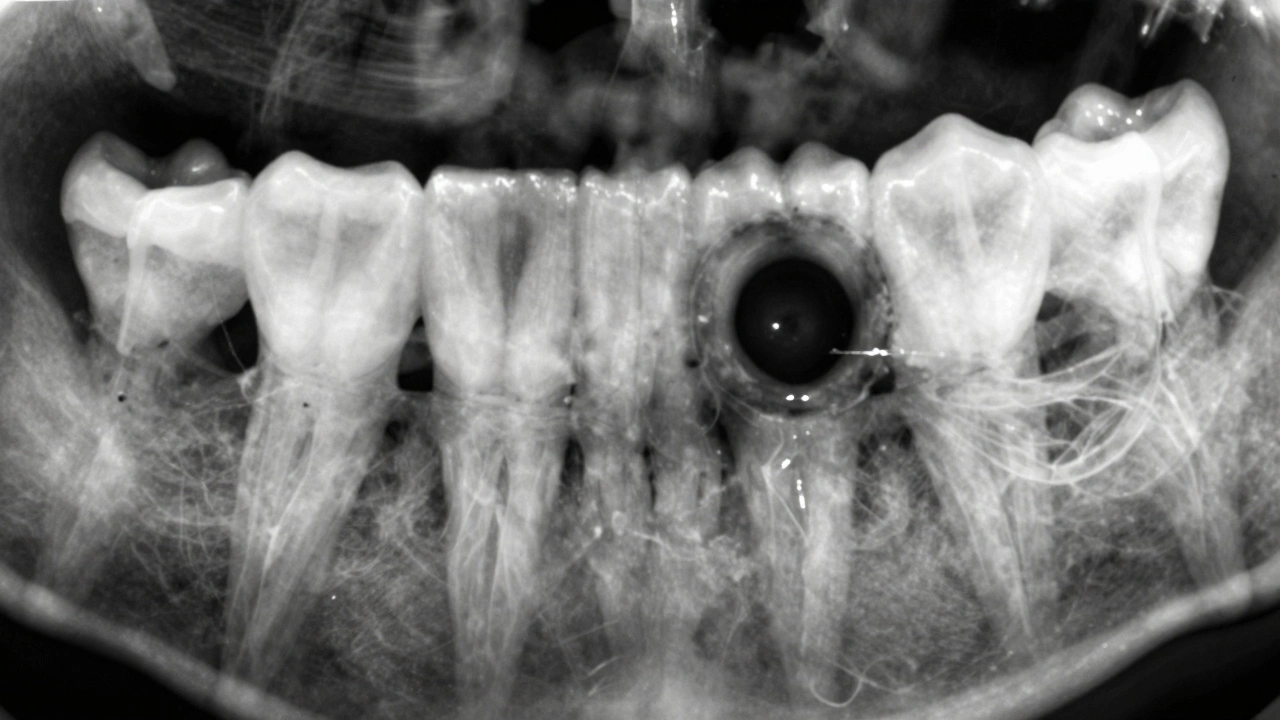
Zubní kaz na rentgenu vypadá jako tmavá skvrna ve zubu - znamení rozpadu skloviny nebo dentiny. Zjistěte, jak dentista rozpozná kazu, proč je rentgen nezbytný a co se stane, když ho necháte bez léčby.
Zobrazit více